
Author: Jason Martin
Last updated: February 9, 2026
Executive TLDR
An inventory shortage occurs when customer demand exceeds available stock, resulting in missed sales and fulfillment delays.
Shortages are often caused by inaccurate forecasting, long supplier lead times, and poor inventory visibility.
Ecommerce brands reduce inventory shortages by improving demand planning, inventory tracking, and fulfillment coordination with a 3PL.
If inventory shortages are hurting your growth,
contact Product Fulfillment Solutions to stabilize fulfillment.
Table of contents
- What Is an Inventory Shortage?
- Common Causes of Inventory Shortage
- Why Inventory Shortages Are Dangerous
- Inventory Shortage vs Overstock
- How Inventory Shortages Impact Ecommerce Brands
- How to Prevent Inventory Shortages
- How a 3PL Reduces Inventory Shortage Risk
- Real-World Example
- Inventory Shortage FAQs
What Is an Inventory Shortage?
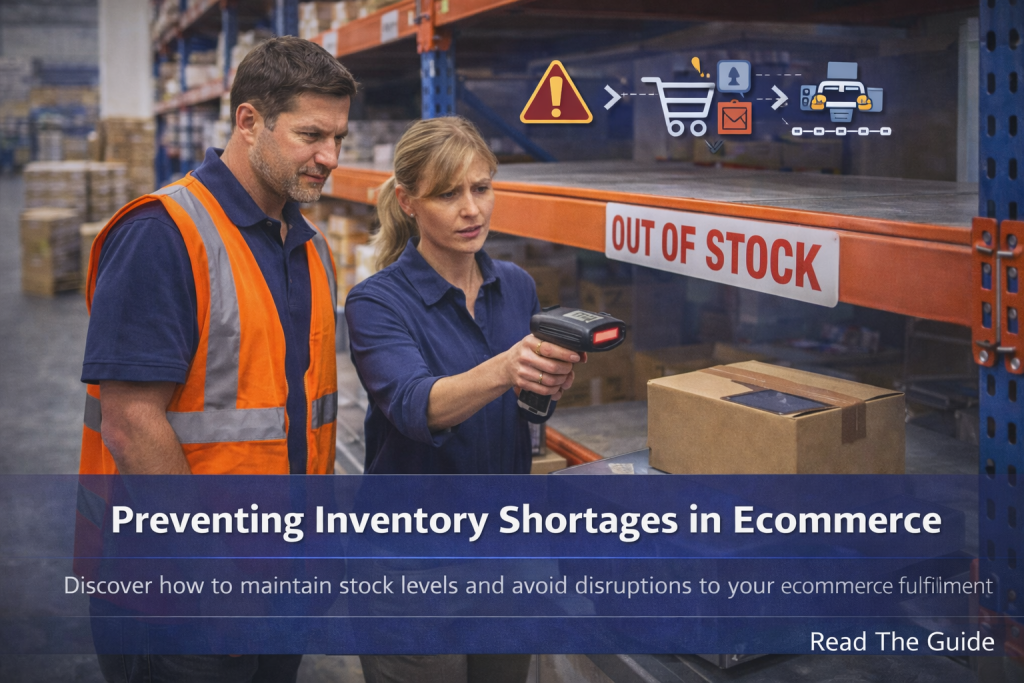
An inventory shortage happens when a business does not have enough stock to fulfill customer orders. This can lead to backorders, delayed shipments, or lost sales when customers turn to competitors.
In ecommerce, inventory shortages often surface suddenly, especially during promotions, seasonal demand spikes, or supplier disruptions.
Common Causes of Inventory Shortage
- Inaccurate demand forecasting
- Long supplier lead times
- Poor inventory visibility
- Manual inventory tracking errors
- Unexpected demand spikes
- Supply chain disruptions
Why Inventory Shortages Are Dangerous
Inventory shortages do more than delay shipments. They can:
- Reduce customer trust
- Increase customer churn
- Lower lifetime value
- Disrupt marketing campaigns
- Create fulfillment bottlenecks
For subscription and repeat-purchase brands, inventory shortages can permanently damage retention.
Inventory Shortage vs Overstock
Inventory management is a balance:
- Inventory shortage = lost sales and unhappy customers
- Overstock = tied-up cash and storage costs
The goal is maintaining optimal inventory levels based on real demand data, not guesswork.
How Inventory Shortages Impact Ecommerce Brands
Inventory shortages affect:
- Revenue consistency
- Order fulfillment SLAs
- Advertising efficiency
- Marketplace performance metrics
- International shipping timelines
How to Prevent Inventory Shortages
Proactive prevention strategies include:
- Accurate sales forecasting
- Safety stock calculations
- Lead-time planning
- Real-time inventory tracking
- Clear reorder points
- Centralized fulfillment
How a 3PL Reduces Inventory Shortage Risk
Product Fulfillment Solutions helps brands avoid shortages by providing:
- Real-time inventory visibility
- SKU-level reporting
- Automated reorder alerts
- Centralized inventory management
- Accurate inbound and outbound tracking
Our warehousing and storage solutions and centralized
Cincinnati fulfillment center help brands maintain consistent stock availability.
Real-World Example
An ecommerce brand experienced repeated stockouts during seasonal sales. After transitioning fulfillment to PFS:
- Inventory was centralized
- Reorder points were defined
- Inbound receiving accuracy improved
Result: fewer stockouts, higher order fill rates, and improved customer satisfaction.
Inventory Shortage FAQs
What causes inventory shortages?
Inventory shortages are usually caused by inaccurate forecasting, supplier delays, and poor inventory visibility.
How do inventory shortages affect ecommerce brands?
They lead to lost sales, fulfillment delays, customer dissatisfaction, and lower retention.
Can a 3PL help prevent inventory shortages?
Yes. A 3PL provides inventory tracking, forecasting support, and operational visibility.
What industries are most affected by inventory shortages?
Fast-moving consumer goods, subscription products, and seasonal ecommerce brands are especially vulnerable.
Talk to an Expert