Reviewed by: Chief Operations Officer, Product Fulfillment Solutions
Last updated: March 16, 2026
Executive TLDR
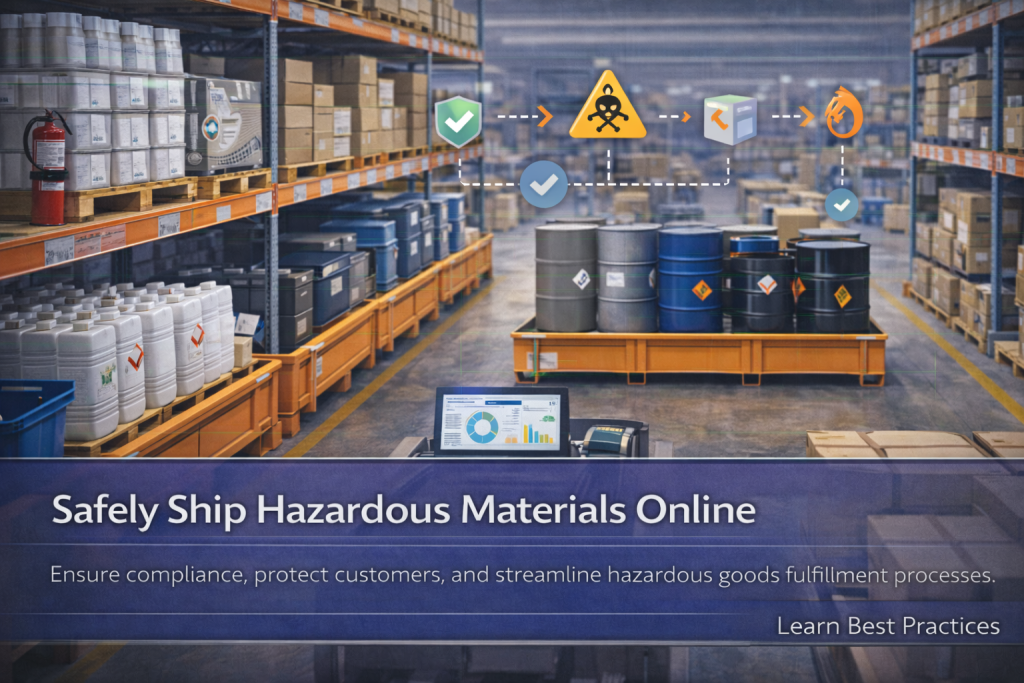
Shipping hazardous materials (often called hazmat) is common in ecommerce, especially for beauty, wellness, and household products. Items like aerosols, nail polish, certain cosmetics, cleaning agents, and lithium battery products fall under hazmat shipping rules.
For growing ecommerce brands, compliance is critical. Incorrect packaging, labeling, or documentation can cause shipment delays, carrier penalties, or safety risks.
This guide explains how hazardous material shipping works, what ecommerce brands need to know about compliance, and how a 3PL partner like Product Fulfillment Solutions (PFS) helps brands manage regulated shipments safely and efficiently.
If you already know you need a steadier fulfillment program, you can start the conversation here:
Contact Product Fulfillment Solutions
Table of contents
- What counts as hazardous materials in ecommerce shipping
- Story: How a beauty brand solved its hazmat shipping issues
- Why hazmat compliance matters for ecommerce brands
- Key requirements for shipping hazardous materials
- How 3PL fulfillment partners manage hazmat shipping
- Practical hazmat shipping tips for ecommerce brands
- Hazmat shipping FAQs
What counts as hazardous materials in ecommerce shipping
Hazardous materials are products that pose potential risks during transportation due to chemical composition, flammability, pressure, or reactivity.
Many ecommerce products fall into this category, including:
- Aerosol sprays
- Nail polish and nail polish remover
- Perfumes and alcohol-based cosmetics
- Cleaning chemicals
- Lithium battery-powered products
- Some supplements or health products with regulated ingredients
These items require special handling, packaging, and labeling when shipped through parcel carriers.
Story: How a beauty brand solved its hazmat shipping issues
Before
RadiantBloom Beauty, an emerging cosmetics brand, launched a popular aerosol hair spray product through its online store. Orders grew quickly, but shipments began getting rejected by carriers.
Pain points
The brand discovered that the product was classified as hazardous due to its pressurized aerosol packaging. Their internal fulfillment team was unaware of the labeling and documentation requirements.
Orders were delayed, returned, or cancelled, leading to frustrated customers and rising operational costs.
The shift
After partnering with Product Fulfillment Solutions, the brand implemented proper hazmat packaging, labeling procedures, and carrier compliance checks.
With PFS managing fulfillment from its Cincinnati facility, RadiantBloom restored shipping reliability and scaled its product launch without further compliance issues.
Why hazmat compliance matters for ecommerce brands
Shipping hazardous materials without proper procedures can create serious operational and legal problems.
Risks include:
- Carrier shipment rejections
- Government penalties and fines
- Warehouse safety hazards
- Customer delivery delays
- Damage to brand reputation
Compliance ensures that hazardous products move safely through transportation networks while protecting warehouse staff, carriers, and customers.
Key requirements for shipping hazardous materials
While regulations vary by product and carrier, most hazmat shipments require several core elements.
Proper classification
Each hazardous product must be classified according to transportation regulations. This determines how the product must be packaged and labeled.
Specialized packaging
Hazmat products often require specific packaging designed to prevent leaks, pressure buildup, or chemical reactions.
Labeling and documentation
Shipping labels and documentation inform carriers about the contents and handling requirements of hazardous packages.
Carrier compliance
Not all carriers accept every hazmat product category. Ecommerce brands must work with carriers approved for their product classifications.
How 3PL fulfillment partners manage hazmat shipping
Third-party logistics providers with hazmat expertise simplify compliance for ecommerce brands.
A capable 3PL partner will typically:
- Verify product classifications
- Apply proper hazmat packaging procedures
- Ensure correct labeling and documentation
- Coordinate with approved parcel carriers
- Monitor regulatory updates that affect shipments
At PFS, fulfillment teams combine operational experience with compliance-focused processes to help brands ship regulated products safely and efficiently.
Practical hazmat shipping tips for ecommerce brands
- Confirm whether any SKU qualifies as hazardous before launching
- Work with fulfillment partners experienced in regulated shipping
- Audit packaging and labeling requirements early
- Ensure ecommerce platform shipping settings support hazmat rules
- Maintain updated documentation for every regulated SKU
Brands that prepare early avoid costly shipping interruptions and scale more confidently as order volumes grow.
Talk to an Expert
Hazmat shipping FAQs
What products are considered hazardous materials in ecommerce?
Common hazmat ecommerce products include aerosols, alcohol-based cosmetics, perfumes, lithium battery devices, and certain cleaning chemicals.
Can ecommerce brands ship hazardous materials with parcel carriers?
Yes, but only if the products meet packaging, labeling, and documentation requirements set by carriers and transportation regulations.
Do all fulfillment centers handle hazmat shipping?
No. Not every warehouse is equipped or certified to manage hazardous materials. Brands should verify capabilities before choosing a fulfillment partner.
What happens if a hazmat shipment is not labeled properly?
Improper labeling can result in shipment rejection, delivery delays, penalties, or safety risks during transport.
How can PFS help ecommerce brands ship hazmat products?
PFS helps brands identify regulated products, apply compliant packaging and labeling procedures, and coordinate shipments with approved carriers from its Cincinnati fulfillment center.
Talk to an Expert