Understanding FBA Labeling Requirements
FBA labeling requirements are crucial for e-commerce brands utilizing Amazon's Fulfillment by Amazon (FBA) service. Compliance with these requirements ensures that products are correctly labeled and can be efficiently processed through Amazon’s fulfillment centers.
As of January 2026, brands must adhere to updated labeling guidelines, which include specific dimensions, barcode formats, and placement on packaging. Failure to comply can result in delays, additional fees, or even the rejection of inventory at Amazon fulfillment centers, making it essential for brands to stay informed and prepared.
Best Practices for Product Fulfillment
Implementing best practices in product fulfillment can significantly enhance operational efficiency and customer satisfaction. This includes optimizing inventory management, streamlining order processing, and ensuring timely shipping.
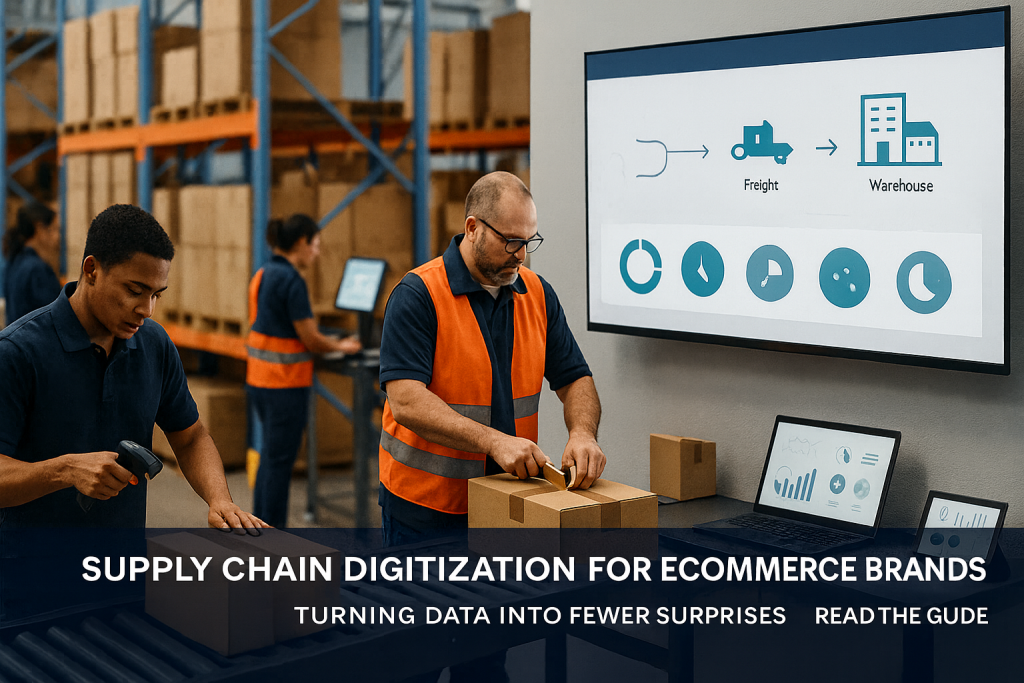
For instance, utilizing inventory management software can help track stock levels in real-time, reducing the risk of overselling or stockouts. Additionally, establishing clear communication channels with shipping partners can ensure that customers receive their orders on time, thereby improving overall service quality.
Benefits of Outsourcing Fulfillment Services
Outsourcing fulfillment services offers numerous advantages for e-commerce businesses, including cost savings, scalability, and access to specialized expertise. By partnering with a fulfillment provider, brands can focus on core business activities while leaving logistics to the experts.
For example, a fulfillment partner can manage warehousing, packing, and shipping, allowing brands to scale operations without the need for significant upfront investment in infrastructure. This flexibility is particularly beneficial during peak seasons when order volumes can fluctuate dramatically.
Future Trends in E-commerce Fulfillment
The landscape of e-commerce fulfillment is rapidly evolving, influenced by technological advancements and changing consumer expectations. Staying ahead of these trends is essential for brands looking to maintain a competitive edge.
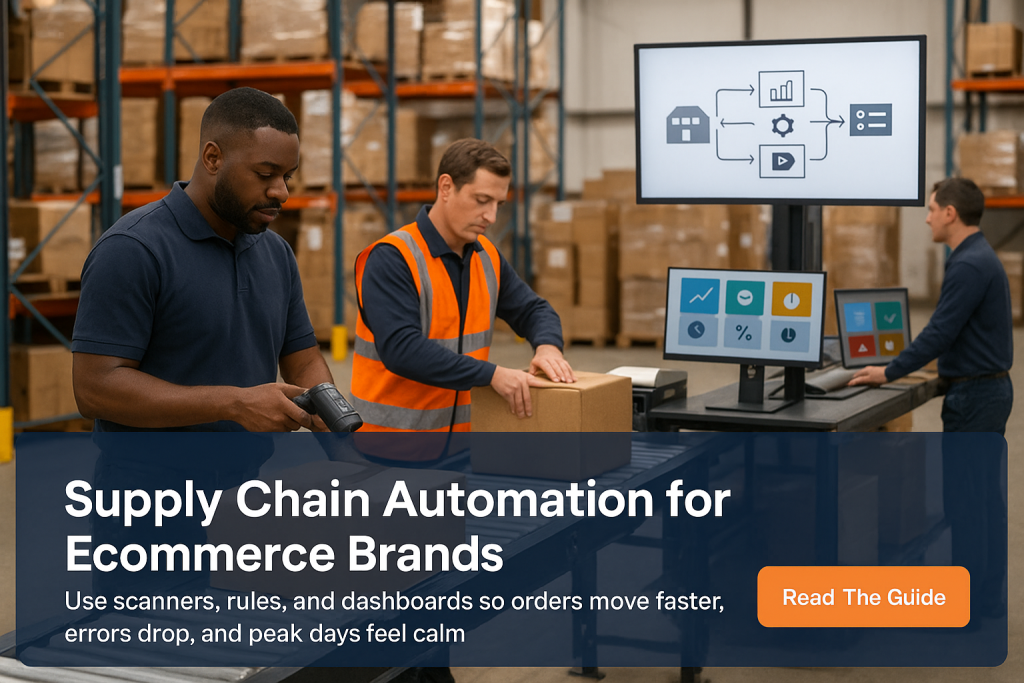
Emerging trends include the rise of same-day delivery services, increased automation in warehouses, and the integration of artificial intelligence to optimize logistics. Brands that adapt to these trends can enhance customer experiences and improve operational efficiencies, ensuring they remain relevant in a dynamic market.
Understanding FBA Labeling Requirements
FBA labeling requirements are crucial for e-commerce brands utilizing Amazon's Fulfillment by Amazon (FBA) service. Compliance with these requirements ensures that products are correctly labeled and can be efficiently processed through Amazon’s fulfillment centers.
As of January 2026, brands must adhere to updated labeling guidelines, which include specific dimensions, barcode formats, and placement on packaging. Failure to comply can result in delays, additional fees, or even the rejection of inventory at Amazon fulfillment centers, making it essential for brands to stay informed and prepared.
Best Practices for Product Fulfillment
Implementing best practices in product fulfillment can significantly enhance operational efficiency and customer satisfaction. This includes optimizing inventory management, streamlining order processing, and ensuring timely shipping.
For instance, utilizing inventory management software can help track stock levels in real-time, reducing the risk of overselling or stockouts. Additionally, establishing clear communication channels with shipping partners can ensure that customers receive their orders on time, thereby improving overall service quality.
Benefits of Outsourcing Fulfillment Services
Outsourcing fulfillment services offers numerous advantages for e-commerce businesses, including cost savings, scalability, and access to specialized expertise. By partnering with a fulfillment provider, brands can focus on core business activities while leaving logistics to the experts.
For example, a fulfillment partner can manage warehousing, packing, and shipping, allowing brands to scale operations without the need for significant upfront investment in infrastructure. This flexibility is particularly beneficial during peak seasons when order volumes can fluctuate dramatically.
Future Trends in E-commerce Fulfillment
The landscape of e-commerce fulfillment is rapidly evolving, influenced by technological advancements and changing consumer expectations. Staying ahead of these trends is essential for brands looking to maintain a competitive edge.
Emerging trends include the rise of same-day delivery services, increased automation in warehouses, and the integration of artificial intelligence to optimize logistics. Brands that adapt to these trends can enhance customer experiences and improve operational efficiencies, ensuring they remain relevant in a dynamic market.