Understanding Order Fulfillment Strategies
Order fulfillment strategies are essential for e-commerce brands looking to optimize their operations. These strategies encompass various processes, including inventory management, order processing, and shipping logistics, all aimed at ensuring timely delivery and customer satisfaction.
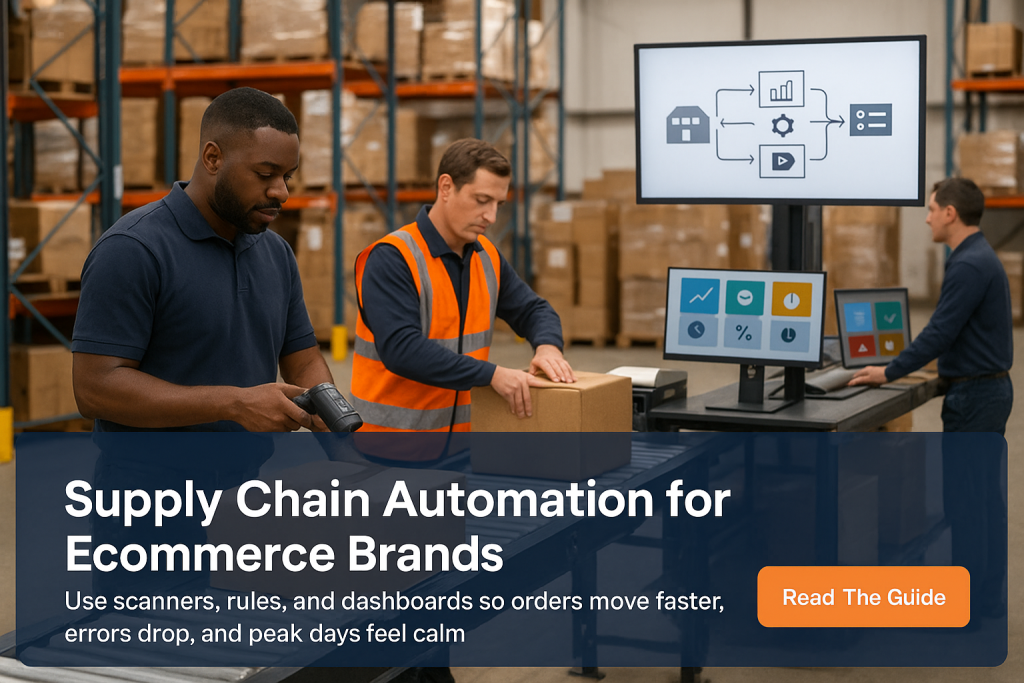
For instance, implementing a just-in-time inventory system can help businesses reduce storage costs while maintaining product availability. Additionally, leveraging technology such as automated order management systems can streamline the fulfillment process, improving efficiency and accuracy.
Best Practices for Efficient Logistics
Efficient logistics is a cornerstone of successful order fulfillment. By optimizing logistics operations, e-commerce brands can minimize delays, reduce costs, and enhance the overall customer experience.
Examples of best practices include utilizing route optimization software to improve delivery times and investing in reliable shipping partnerships. Furthermore, regularly reviewing logistics performance metrics can help businesses identify areas for improvement and adapt to changing market demands.
The Importance of Inventory Management
Effective inventory management is crucial for e-commerce success. It ensures that businesses maintain the right stock levels to meet customer demand without overstocking, which can lead to increased costs and wasted resources.
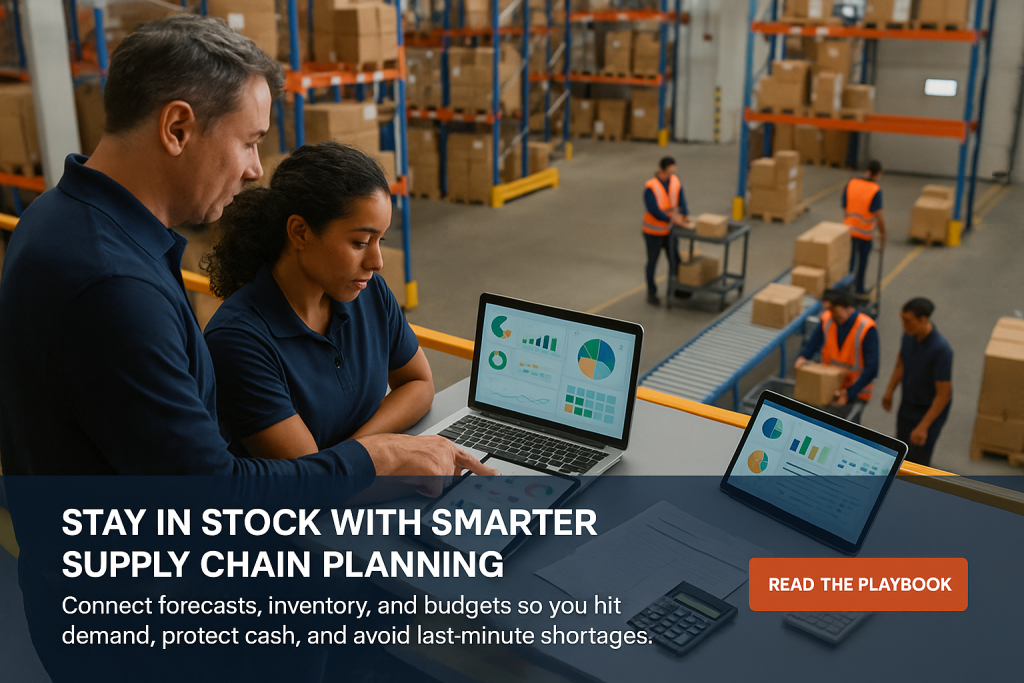
Techniques such as ABC analysis can help businesses categorize inventory based on importance and turnover rates, allowing for more focused management. Additionally, using inventory management software can provide real-time visibility into stock levels, aiding in better decision-making and forecasting.
Challenges in Order Fulfillment and How to Overcome Them
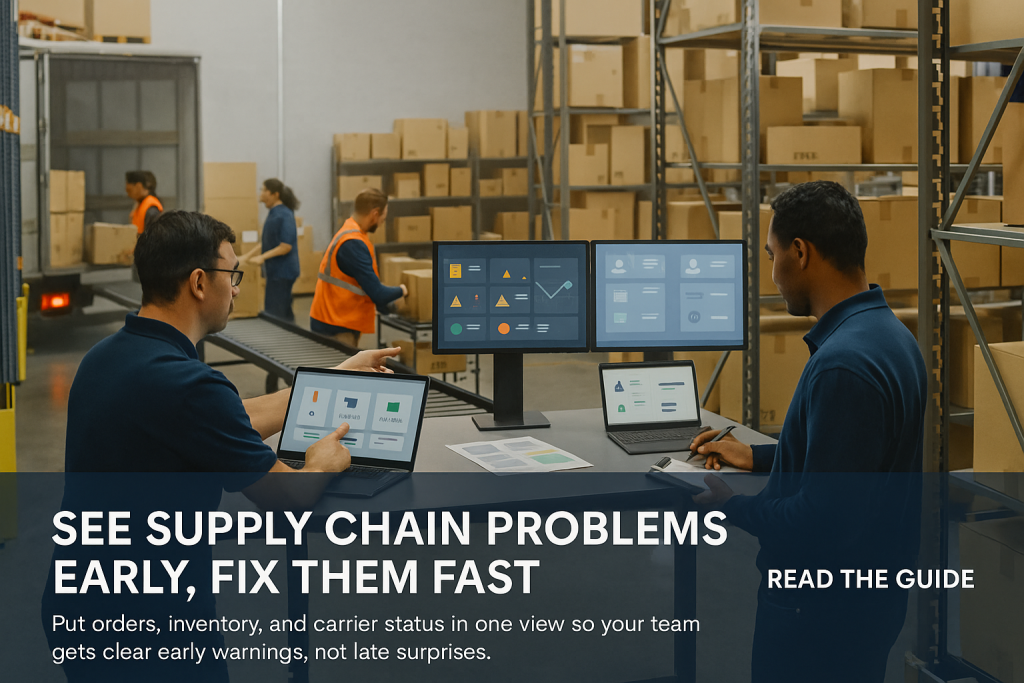
Order fulfillment can present several challenges, including supply chain disruptions, inaccurate inventory counts, and shipping delays. Identifying these challenges early on is key to mitigating their impact on business operations.
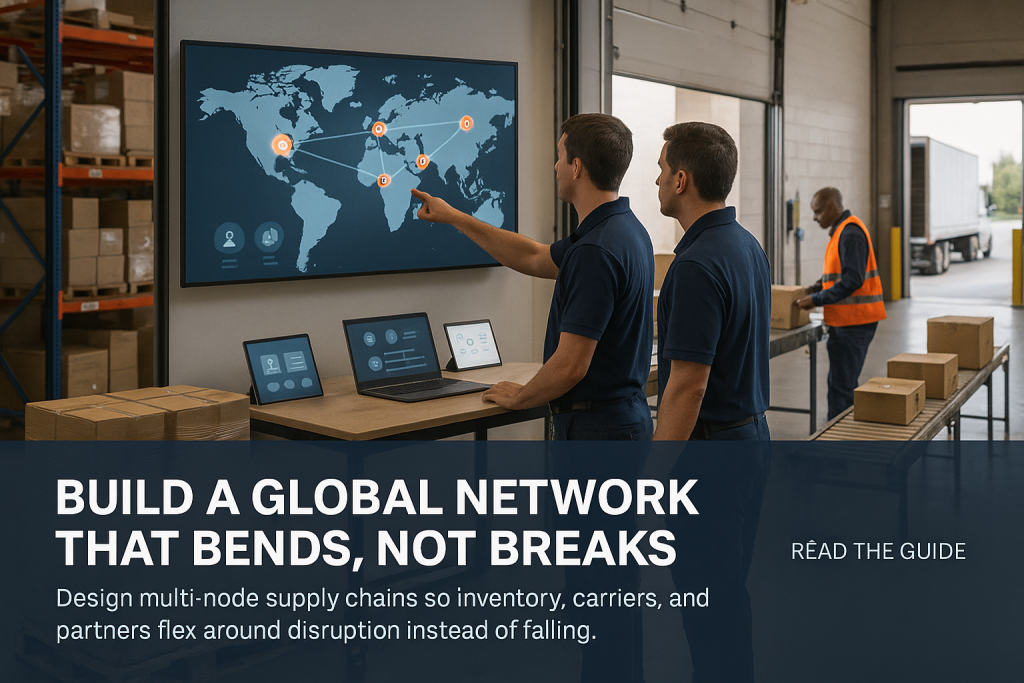
For example, establishing strong relationships with multiple suppliers can provide backup options in case of disruptions. Additionally, implementing regular training for staff on fulfillment processes can reduce errors and improve overall efficiency.